
We Should All Be Feminists
A poignant essay on what it means to be a feminist, and the case for feminism as the author defines it
Non-Fiction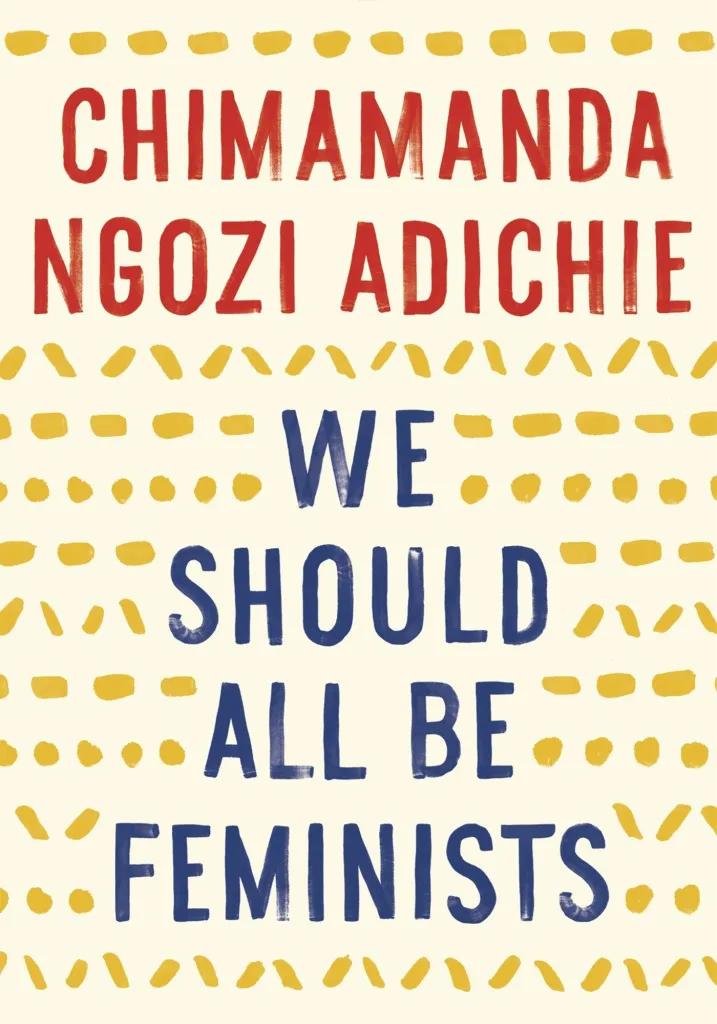
This is more of an essay than a book; it begins with the author relating a personal anecdote about being called “boyish” as a child, which leads her to examine how gender expectations are imposed from an early age. She argues that the word “feminist” has become stigmatized, yet the core idea &emdash; recognizing that both men and women suffer from rigid gender roles &emdash; is essential for a fair society. By defining feminism as “the belief in the social, political, and economic equality of the sexes,” she frames it as a universal human concern rather than a niche movement.
Adichie illustrates the everyday ways sexism manifests:
- women are often expected to be modest,
- to prioritize marriage over career, and
- to accept lower pay. Men, on the other hand, are discouraged from showing vulnerability.
She uses statistics and cultural examples to show that these expectations limit both sexes, reinforcing a hierarchy that benefits none. The essay also highlights how language shapes perception; for instance, describing a woman as “strong” can be perceived as threatening, whereas the same trait in a man is praised.
The conclusion calls for a collective re‑thinking of gender norms, urging both men and women to actively challenge stereotypes and to teach future generations that equality is a shared responsibility. Adichie proposes concrete steps &emdash; such as encouraging girls to speak up, supporting equal parental leave, and confronting sexist jokes &emdash; to create a world where “feminist” is simply a synonym for “human.”