
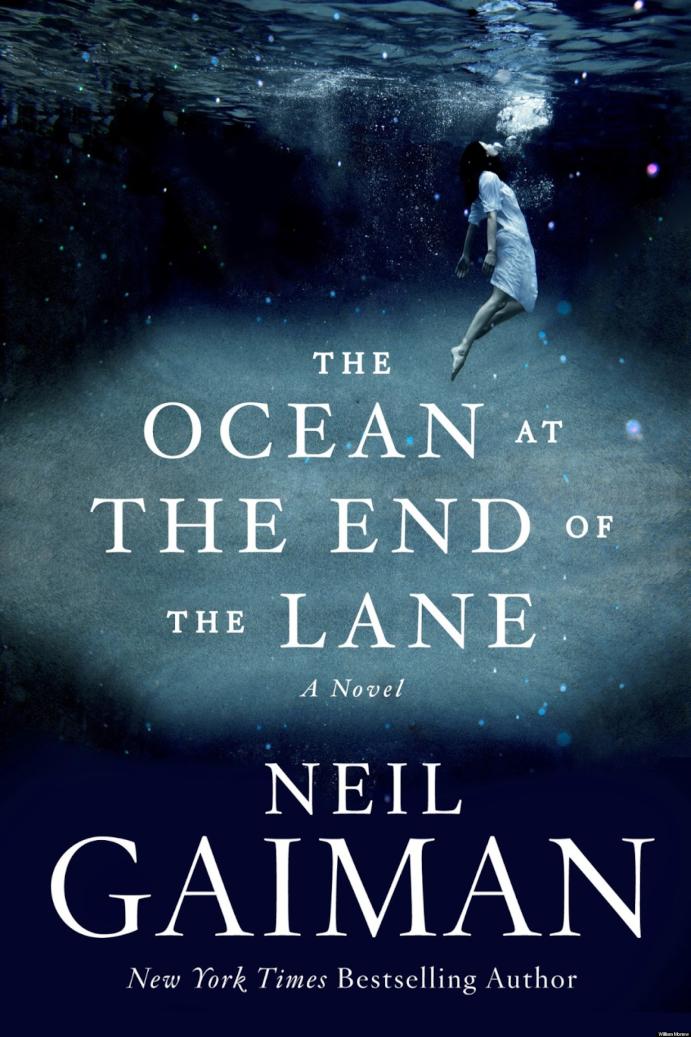
A middle-aged man returns to his hometown for a funeral. While there, he recalls his childhood memories, particularly his friendship with a mysterious girl named Lettie Hempstock. She lived with her mother and grandmother at the end of the lane, and called the pond behind her house an “ocean”. As his memories come flooding back, the story is told from the perspective of a seven-year-old boy.
The narrator and Lettie are pulled to an alternate world, and he inadvertently brings back a malevolent creature back with him, in the form of a worm in his foot. The creature then takes the form of a young woman and ingratiates herself with his whole family, all the while threatening grievous harm to the narrator.
The creature is finally defeated by hunger-birds which Lettie’s mother and grandmother summon, but a piece of the worm remains lodged in the narrator’s heart and the hunger birds are determined to eliminate this. Lettie sacrifices herself to allow him to continue living.
Back in the present, the narrator meets the old Hempstock ladies, and finds out that Lettie is in the “ocean”, recovering; and she occasionally wishes to see the narrator to convince herself that her sacrifice was worthwhile.
On the surface, the book is a monster story. But the deeper context is that of childhood and innocence, and how events, even those not remembered, shape our character and define us as adults. One particular paragraph stood out from the book:
Grown-ups don’t look like grown-ups on the inside either. Outside, they’re big and thoughtless and they always know what they’re doing. Inside, they look just like they always have. Like they did when they were your age. Truth is, there aren’t any grown-ups. Not one, in the whole wide world.
An excellent and short read. Although the story is mostly told from the perspective of a seven-year-old, it is directed to adults to reminiscence on their own childhood, and the watershed events that shaped them.