
Pachinko
A grand saga detailing the life of Sunja, from a small fishing village in occupied Korea to her life in Japan, and the repercussions of a decision she took as a teenager
Fiction Historical Literary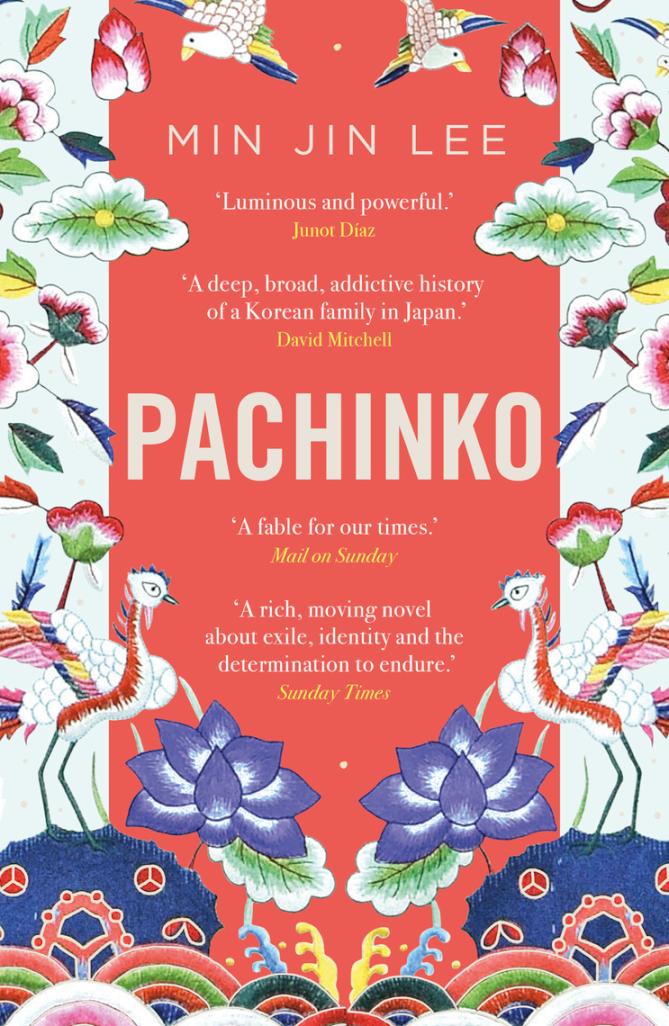
Sunja is born in Korea during the Imperia Japanese occupation of the peninsula, and in a rooming house, which she runs along with her mother hosting poor fishermen. In her teens, she is seduced by Hansu, a young, wealthy Zainichi Korean man from Japan. When Sunja turns pregnant, he then reveals that not only has he no intention of marrying her, he is in fact already married and has 3 children. Sunja rejects him completely, and instead marries the gentle priest Baek Isak, who is staying at their rooming house on his way to Japan.
The book then jumps to Sunja’s life in Osaka. Sunja has two sons, Noa and Mozasu, and living with Isak’s brother and sister-in-law, Yoseb and Kyunghee. Baek Isak is jailed under Japan’s then strict Lèse-majesté laws, so Sunja and Kyunghee start a small business selling Kimchi from a cart. AS WW2 breaks out, Sunja and Kyunghee get employment at a Korean restaurant, which gives them financial security. A few years later, as the war is drawing to a close, Hansu reappears, and reveals that he has been orchestrating Sunja’s life. She has born him a son, and he is a powerful Yakuza, and uses his wealth and connections to relocate Sunja and her family at a farm away from the city. He also brings her mother over from Korea to live with them.
The third part of the book focuses on the lives of Noa and Mozasu. Noa attends college, paid for by Hansu, but is ashamed when he discovers he is an illegitimate child, and moreover, his father is a Yakuza boss. He drops out of college and goes into hiding, with a Japanese identity, and ironically, ends up working as a book-keeper at a Pachinko parlour. Mozasu drops out of school, and starts running Pachinko parlours himself, and brings up his son Solomon as a single parent when his wife dies. Solomon becomes an investment banker, but despite his foreign education, he faces anti-Korean racism, and stigma because of his father’s association with Pachinko. This leads to him joining his father’s Pachinko business.
The story ends with Sunja at Isak’s grave, looking back at her life and choices, and finding out that the new deceased Noa was a frequent visitor.
I knew next to nothing of Korean history prior to reading this book. I knew Japan invaded them, but I thought that was WW2, not from the beginning of the 20th. I also knew nothing about Pachinko… I believed it was a kind of slot machine… thought different, the underlying principles are the same. The player loses more than he wins, but he plays anyway. That principle is used as a metaphor for life itself in the book; everyone plays, and everyone loses more than they win.
Stylistically, this narration is direct and undramatic, despite the story being tender, deeply human and full of soul. The characters face systemic oppression with equanimity, showing gratitude for their meagre victories, and accepting their defeats pragmatically. Each character had a quality which made the reader simultaneously admire and pity them, in equal measure. An excellent read.